From Digital to Print: How We Ensure Perfect Brand Consistency
At Pioneer Press, we know that your brand is your identity. You’ve invested heavily in crafting the perfect digital presence, from the exact hue of your logo to the crispness of your website’s images. But what happens when that brand identity moves from the screen to the physical world? Ensuring consistency across both digital and print media is a common challenge, but it’s one we’ve mastered over our 40 years in the business. It’s about more than just printing; it’s about translating your brand’s essence onto paper without losing a drop of its impact. Here are some of the key strategies we use to make sure your branding looks as good on paper as it does on screen.
Understanding the Language of Color: RGB vs. CMYK
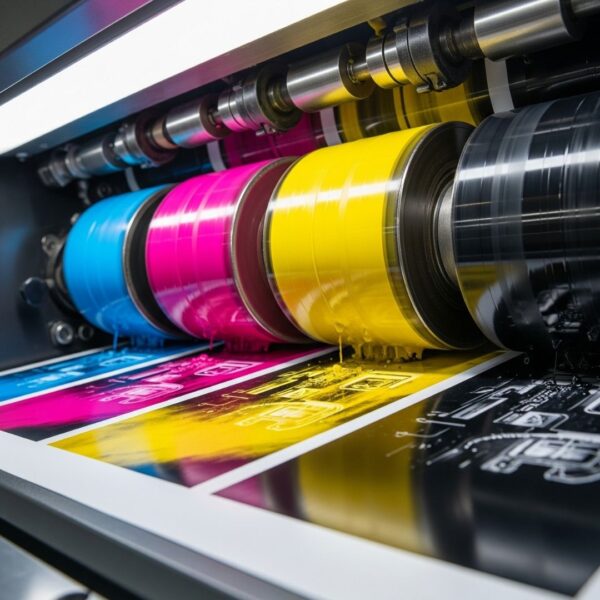
One of the most common disconnects between digital and print design comes down to color. Screens create color using the RGB (Red, Green, Blue) model, an additive process that combines light to create a wide spectrum of vibrant hues. Print, on the other hand, uses the CMYK (Cyan, Magenta, Yellow, Key/Black) model, a subtractive process where ink absorbs light. Without proper conversion, your bright, electric blue on screen can turn into a dull, flat blue on paper. We always work with our clients to ensure their digital files are converted to the CMYK color space accurately, often using Pantone (PMS) colors as a bridge to guarantee the final printed color perfectly matches their brand guidelines.
The Tangible Feel of Your Brand: Choosing Paper Stock
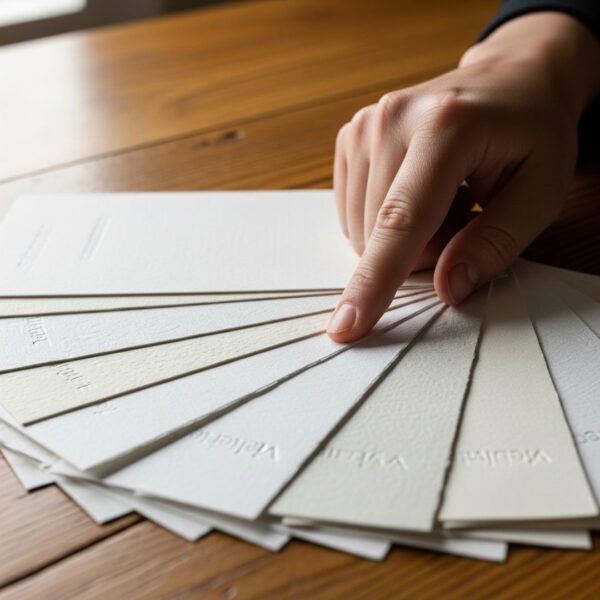
The medium is part of the message, and in print, the paper you choose says a lot about your brand. A glossy, heavy cardstock can convey luxury and durability, while an uncoated, recycled paper might suggest eco-friendliness and authenticity. The texture, weight, and finish of the paper all affect how colors appear and how your brand is perceived. A design that looks great on a smooth, bright white screen needs the right paper to maintain its integrity. We guide our clients through the selection process, providing samples and expertise to help them choose a stock that not only looks great but also feels like their brand.
The Critical Role of High-Resolution Imagery
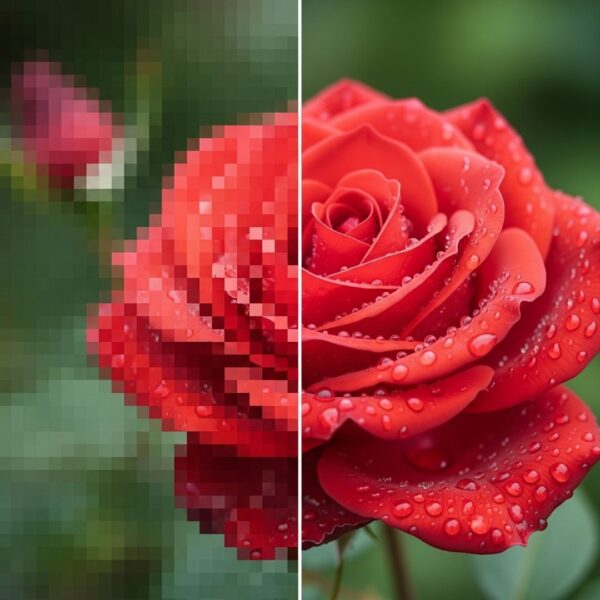
Images that look sharp and clear on a 72 DPI (dots per inch) screen will often appear pixelated and blurry when printed. For professional-quality print, the standard is 300 DPI. This massive difference in detail is crucial for ensuring your photography and graphics are rendered with the clarity they deserve. Before any project goes to press, we meticulously check every image to ensure it meets high-resolution standards. If we spot a potential issue, we’ll flag it, because we believe that protecting the quality of your brand’s visuals is a fundamental part of our job.
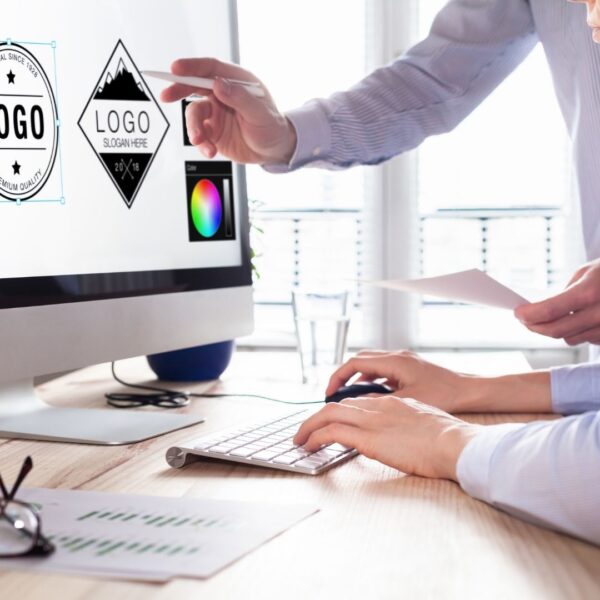
Typography and Spacing: Translating Design to Print
The way fonts render and the amount of space needed around text can differ significantly between a responsive website and a fixed-size printed page. What looks perfectly balanced on a screen might appear cramped or poorly spaced on a business card or brochure. We pay close attention to typography, ensuring that font weights, letter spacing (kerning), and line spacing are optimized for readability and aesthetic appeal in the final printed format. This careful consideration ensures the elegance of your digital design is preserved on paper, maintaining a professional and consistent brand voice.
Your brand deserves to be represented flawlessly everywhere it appears. The journey from a digital concept to a tangible, printed product is filled with technical nuances, but with the right partner, it can be a seamless process. Our expertise is built on helping businesses navigate these complexities to produce printed materials that are a true and powerful extension of their brand. Explore our resources to see how we can help you tackle your next printing challenge.